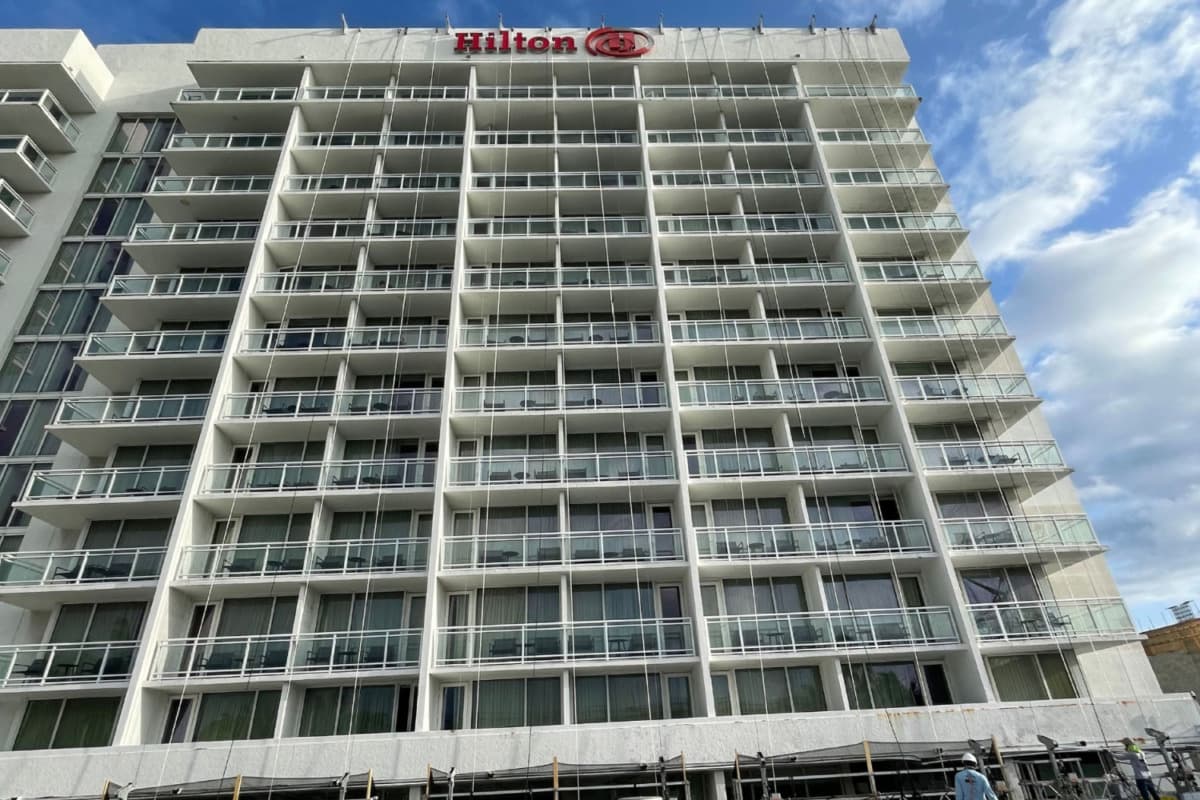
Structural Integrity Reserve Study (SIRS)
Florida tells you which components to study and how to fund them. We tell you what they will actually cost.
What We Do
A structural integrity reserve study is a reserve study required by Florida Statute 718.112(2)(g) for residential condominium associations, covering each building on the property that is three habitable stories or higher. It must be completed at least every 10 years after the condominium's creation. Associations existing on or before July 1, 2022 were required to complete their first SIRS by December 31, 2025, a deadline extended from December 31, 2024 by HB 913. Where a milestone inspection is required by December 31, 2026, the SIRS may be performed at the same time, but no later than December 31, 2026.
The statute specifies the components that must be studied at minimum: the roof; the structure, including load-bearing walls and other primary structural members and systems; fireproofing and fire protection systems; plumbing; electrical systems; waterproofing and exterior painting; and windows and exterior doors. It also captures any other item with a deferred maintenance expense or replacement cost exceeding $25,000, or the inflation-adjusted amount determined by the division, whichever is greater — the division posts that adjusted figure annually by February 1, beginning in 2026.
A SIRS must be performed or verified by an engineer licensed under Chapter 471, an architect licensed under Chapter 481, or a person certified as a reserve specialist or professional reserve analyst. There is a practical difference between those options. A reserve analyst estimates replacement cost and remaining useful life from condition and industry data. A licensed structural engineer assesses what is actually happening to the concrete, the envelope and the load-bearing system — which is what determines whether a component has 15 years left or three.
HB 913 added two requirements that change how the study is used. The SIRS must include a baseline funding plan that keeps the reserve cash balance above zero, and it must distinguish the mandatory SIRS components from other items the study merely recommends. It also created a limited option to pause: an association that recently completed a milestone inspection may, by vote of a majority of the total voting interests, pause or reduce reserve contributions for up to two consecutive annual budgets to fund the repairs the inspection identified. That option is available only for budgets adopted through December 31, 2028.
A reserve study is one of three obligations a South Florida condominium can owe at the same time. Our guide to the difference between a structural integrity reserve study, a milestone inspection and county recertification sets out which buildings each one reaches and how the deadlines interact, including the window in which the study may be performed alongside the inspection rather than after it.
Regulatory content last verified against primary sources on .
How We Deliver Results
Component Inventory and Field Assessment
We inventory every component the statute requires plus anything above the reporting threshold, then assess actual condition in the field rather than assuming useful life from age alone. Where a milestone inspection is running concurrently, this happens on the same mobilisation.
Remaining Useful Life and Replacement Cost
Each component receives a remaining useful life and a replacement cost grounded in current South Florida construction pricing, not national averages. Coastal exposure materially shortens the life of concrete, envelope and exterior finishes, and the study reflects that.
Baseline Funding Plan
We build the funding plan the statute requires, keeping the projected reserve cash balance above zero across the study period, and clearly separating mandatory SIRS components from other recommended items so the board can see exactly what is required versus advisable.
Board Presentation
We present the findings to the board in terms it can act on: what has to be funded, when, what it means per unit, and what the funding options are — reserve contributions, special assessment, or a line of credit or loan approved by a majority of voting interests.
Frequently Asked Questions
What is a structural integrity reserve study?
A structural integrity reserve study is a reserve study mandated by Florida Statute 718.112(2)(g) that inventories specific structural and building-systems components, assesses their condition and remaining useful life, estimates replacement costs, and produces a funding plan. It is required of residential condominium associations for each building on the property that is three habitable stories or higher, at least every 10 years. It differs from a conventional reserve study in that its component list is set by statute rather than by the association, and it must be performed or verified by a licensed engineer, licensed architect, or certified reserve specialist or professional reserve analyst.
What is the SIRS deadline?
Associations existing on or before July 1, 2022 were required to complete their first structural integrity reserve study by December 31, 2025. That deadline was extended from December 31, 2024 by HB 913, which took effect July 1, 2025. Where a milestone inspection is required by December 31, 2026, the SIRS may be performed simultaneously but no later than December 31, 2026. The study then recurs at least every 10 years. Associations that have not completed a SIRS are past the initial statutory deadline and should treat it as an active compliance exposure rather than a pending task.
Which components must the study cover?
The statute requires, at minimum: the roof; the structure, including load-bearing walls and other primary structural members and systems; fireproofing and fire protection systems; plumbing; electrical systems; waterproofing and exterior painting; and windows and exterior doors. Beyond that list, the study must cover any other item with a deferred maintenance expense or replacement cost exceeding $25,000, or the inflation-adjusted amount determined by the division, whichever is greater. That threshold was raised from $10,000 by HB 913 and the division publishes the adjusted figure annually by February 1, beginning in 2026.
Who can perform a SIRS in Florida?
A structural integrity reserve study must be performed or verified by an engineer licensed under Chapter 471, an architect licensed under Chapter 481, or a person certified as a reserve specialist or professional reserve analyst. Those are genuinely different disciplines. A reserve analyst estimates remaining useful life largely from age, condition rating and industry tables. A licensed structural engineer evaluates what is physically occurring in the concrete, reinforcement and envelope — which is what determines whether a balcony system has 15 years of life or three. In a coastal environment that difference drives the numbers.
Can we still waive reserves?
Not for the components a SIRS covers. Once a structural integrity reserve study identifies a mandatory component, the association must fund reserves for it — the pre-2022 practice of voting to waive or underfund reserves does not apply to those items. HB 913 created one narrow exception. An association that recently completed a milestone inspection may, by vote of a majority of the total voting interests, pause or reduce reserve contributions for up to two consecutive annual budgets in order to fund the repairs that inspection identified. That option applies only to budgets adopted through December 31, 2028.
What is a baseline funding plan?
A baseline funding plan is a reserve funding schedule designed so the projected reserve cash balance never falls below zero across the study period. HB 913 made it a required element of the SIRS. It is a floor, not a target: it keeps the association solvent against scheduled component replacement, but it does not necessarily fund every component to full replacement cost at the moment it is needed. Boards should understand which they are looking at. The same legislation also requires the study to distinguish mandatory SIRS components from items the study merely recommends, so those two things can be budgeted separately.
How does the SIRS relate to the milestone inspection?
They are separate requirements that overlap in field work. The milestone inspection asks whether the building is structurally sound right now. The SIRS asks what its major components will cost to replace and when, and requires the association to fund that. Both examine the roof, the structure and the building envelope, so performing them together avoids paying twice to mobilise and access the same components. They remain separate deliverables — a milestone inspection does not satisfy the SIRS requirement, and a SIRS does not satisfy the milestone inspection requirement.
How do we fund what the study identifies?
Three routes, and they are not mutually exclusive. Ongoing reserve contributions built into the annual budget are the default and the cheapest over time. A special assessment raises capital quickly but lands on owners as a lump sum, which is where most board conflict originates. The statute also permits an association to use a line of credit or a loan, approved by a majority of voting interests and disclosed in the annual financial statements, which spreads the cost but adds interest. Multicondominiums may use alternative funding arrangements. Which combination fits depends on the reserve balance, the urgency of the components, and owner demographics.
What happens if we did not complete our SIRS?
The initial statutory deadline of December 31, 2025 has passed, so an association without a completed study is out of compliance now. The practical consequences arrive from several directions at once. Boards face fiduciary duty exposure. Lenders and secondary-market purchasers increasingly request evidence of milestone inspection and reserve study status, and gaps can affect unit financing. Buyers and their attorneys ask for these documents during due diligence. The remedy is straightforward — commission the study — and it is materially better to be late with work underway than late with nothing.
How much does a SIRS cost?
Cost scales with the number of buildings, unit count, component complexity and how much field access is required. Published Florida figures for reserve studies commonly run from a few thousand dollars for a small association to the mid five figures for a large multi-building property. The larger variable is what the study finds, not what it costs: a study is a small fraction of the reserve funding or repair spending it identifies. Where a milestone inspection is due in the same window, combining the two reduces total cost because the field work overlaps substantially.
Explore More Solutions
Let's Talk About Your Project
Whether it's a 40-year recertification, concrete restoration, or a new MEP design — we're ready.