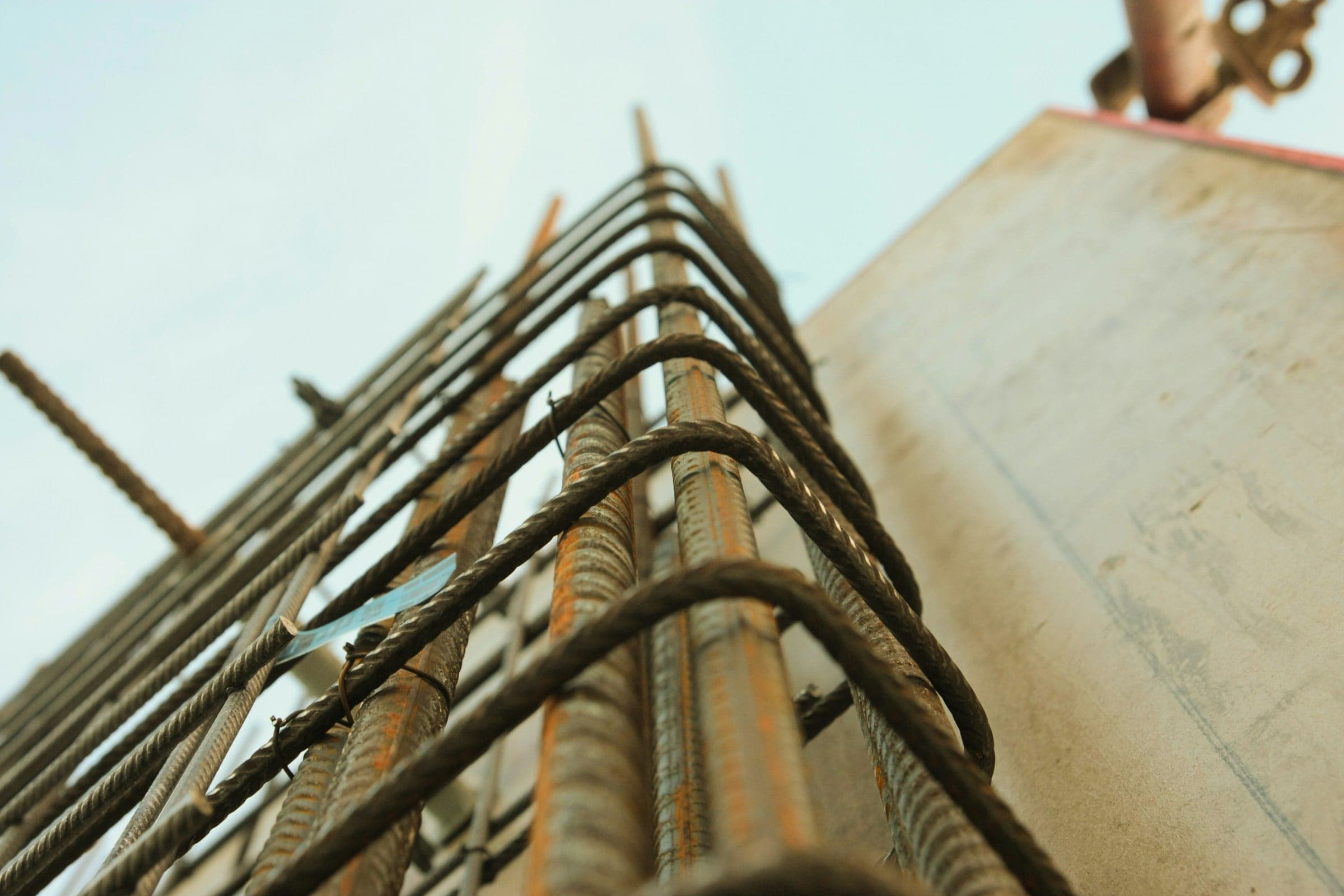
Milestone Inspection
Florida requires it at 30 years. We perform the inspection, write the report, and take it through your building department.
What We Do
A milestone inspection is a structural inspection required by Florida Statute 553.899 for any building that is three habitable stories or more in height, as determined by the Florida Building Code, and that is subject in whole or in part to condominium ownership under Chapter 718 or cooperative ownership under Chapter 719. The inspection must be performed by December 31 of the year the building reaches 30 years of age, measured from the date its certificate of occupancy was issued, and every 10 years after that.
A local enforcement agency may — but is not required to — move that deadline to 25 years where local circumstances warrant, including environmental conditions such as proximity to salt water. Whether the 25-year trigger applies to a specific building is a determination the local building department makes, not a statewide rule. Buildings in Miami-Dade and Broward may also owe a separate county recertification on a different clock, which is a distinct requirement with different scope.
Only an engineer licensed under Chapter 471 or an architect licensed under Chapter 481 may perform a milestone inspection. Advanced Structural Solutions performs both the structural inspection and the electrical work required by county recertification programs, so buildings that owe both obligations deal with one firm, one schedule, and one coordinated set of reports.
A building can owe more than one of these at once, on clocks that do not line up. Our guide to how a milestone inspection, a county recertification and a structural integrity reserve study differ sets the three requirements side by side — which authority requires each, which buildings it reaches, when it first falls due, and who is qualified to sign it.
Regulatory content last verified against primary sources on .
How We Deliver Results
Phase One — Visual Inspection
A licensed engineer performs a visual, qualitative examination of the building. Phase One must be completed within 180 days of the date the owner receives written notice from the local enforcement agency. If no substantial structural deterioration is identified, Phase Two is not required and the inspection is complete.
Phase Two — Testing, Only If Required
If Phase One identifies substantial structural deterioration, Phase Two applies destructive or nondestructive testing to the distressed areas to determine its extent. A Phase Two progress report is due to the local enforcement agency within 180 days of submitting the Phase One report.
Report, Submission and Distribution
We prepare the sealed report, submit it to the local building department, and coordinate with municipal reviewers through their questions. The association must distribute a copy or summary to unit owners within 45 days of receiving it. We provide a board-readable summary alongside the technical report.
Repair Planning
Where repairs are required, we scope and prioritise them, separating life-safety items from deferrable maintenance. Counties are required by statute to adopt an ordinance mandating that repairs commence within 365 days of the association receiving the Phase Two report.
Frequently Asked Questions
When is my milestone inspection due?
Your milestone inspection is due by December 31 of the year your building reaches 30 years of age, based on the date the certificate of occupancy was issued, and every 10 years after that. Two transitional deadlines still apply to older buildings: a building that reached 30 years before July 1, 2022 was due by December 31, 2024, and a building that reached 30 years between July 1, 2022 and December 31, 2024 was due by December 31, 2025. A local enforcement agency may separately require inspection at 25 years where local conditions warrant. Confirm your specific deadline with your local building department.
Is my building required to have a milestone inspection?
A building is covered if it is three habitable stories or more in height as determined by the Florida Building Code, and it is subject in whole or in part to condominium ownership under Chapter 718 or cooperative ownership under Chapter 719. Single-family through four-family dwellings of three or fewer habitable stories are excluded. Homeowners associations governed solely by Chapter 720 are not covered by Statute 553.899, though they may owe a county recertification. Note the phrase "in whole or in part" — a mixed-ownership building with any condominium or cooperative component falls within the statute.
Do coastal buildings have to be inspected at 25 years instead of 30?
Not automatically. This is the most common misunderstanding about the statute. Section 553.899 sets the requirement at 30 years for every covered building. It then permits a local enforcement agency to determine that local circumstances — including environmental conditions such as proximity to salt water — require inspection at 25 years instead. That is a discretionary determination made by your local building department, not a statewide coastal rule. Separately, Miami-Dade County operates its own recertification program that does use a three-mile coastal test, but that is a different requirement under different authority.
How do I count habitable stories?
Both the milestone inspection and SIRS statutes defer to the Florida Building Code for how stories are counted, and neither statute defines the term itself. This matters more than it sounds. A building with ground-floor parking and two residential levels above may not reach three habitable stories, which would put it outside the requirement entirely. Buildings get this wrong in both directions, and the answer can be worth tens of thousands of dollars to an association. If your building is near the threshold, have an engineer or your building department make the determination before you either commission or skip an inspection.
What is the difference between Phase One and Phase Two?
Phase One is a visual, qualitative examination of the building. If the engineer finds no substantial structural deterioration, Phase One is the entire inspection and nothing further is required. Phase Two applies only when Phase One identifies substantial structural deterioration, and it uses destructive or nondestructive testing on the distressed areas to establish how far the deterioration extends. Phase Two is significantly more involved and more expensive than Phase One. Statewide reporting data for 2024 and 2025 shows roughly 18 percent of Phase One inspections escalated to Phase Two.
Who is allowed to perform a milestone inspection?
A milestone inspection must be performed by an engineer licensed under Chapter 471 or an architect licensed under Chapter 481, authorized to practice in Florida. The statute permits a team to perform the inspection provided one licensed professional is in responsible charge. Building inspectors, contractors and reserve study providers who are not licensed engineers or architects cannot perform it. If your building also owes a Miami-Dade recertification and is a threshold building of four or more stories, the structural engineer must additionally hold Florida structural specialization.
What happens if we miss the deadline?
Section 553.899 does not itself set a monetary penalty. It requires local enforcement agencies to prescribe timelines and penalties, so the consequences depend on your jurisdiction and can include fines, an unsafe structure determination, or referral to the local unsafe structures board. There is a formal path if you are running late: a local enforcement agency may grant an extension for good cause where an inspection contract has been executed but the work cannot be completed on time. Statewide, 1,587 extensions were granted across 2024 and 2025. Contact your building department and retain an engineer rather than letting the deadline pass silently.
Can we do the milestone inspection and the SIRS at the same time?
Yes, and in most cases you should. The two requirements overlap substantially in field work — both examine the roof, the structure, and the building envelope — so performing them together avoids paying twice to mobilise, access and inspect the same components. The statute contemplates this directly: where a milestone inspection is required by December 31, 2026, the structural integrity reserve study may be performed simultaneously, though no later than December 31, 2026. The two deliverables remain separate reports serving different statutory purposes.
Should the engineer who performs our inspection also bid the repair work?
That is your board's decision, but Florida now regulates the disclosure. Under HB 913, effective July 1, 2025, a design professional performing a milestone inspection must disclose in writing any intent to bid on the repair work they recommend, along with any financial or familial relationship bearing on the engagement. If that disclosure is not made, the contract is voidable. The underlying concern is straightforward: an inspector who stands to win the repair contract has an incentive to find more work. Ask for the disclosure in writing before you sign, whoever you hire.
What is the difference between a milestone inspection and a 40-year recertification?
They are separate requirements from different authorities, and a building can owe both. The milestone inspection is a state requirement under Statute 553.899 that applies to condominium and cooperative buildings of three habitable stories or more at 30 years. County recertification programs are local: Miami-Dade restructured its 40-year program in 2022 into a 25-year coastal and 30-year inland schedule requiring both structural and electrical certification, and Broward runs a Building Safety Inspection Program administered by each municipality that reaches commercial buildings as well. The two programs run on different clocks with different scopes.
How long does the whole process take?
The statute sets the outer bounds. Your association must notify unit owners within 14 days of receiving written notice from the local enforcement agency. Phase One must be completed within 180 days of that notice. If Phase Two is required, its progress report is due within 180 days of the Phase One submission. The association must distribute the report or a summary to owners within 45 days of receiving it. Where repairs are required, counties must by ordinance require that they commence within 365 days of the association receiving the Phase Two report. In practice, field work on a typical mid-rise takes days; report preparation and building department review take weeks.
Explore More Solutions
Let's Talk About Your Project
Whether it's a 40-year recertification, concrete restoration, or a new MEP design — we're ready.